
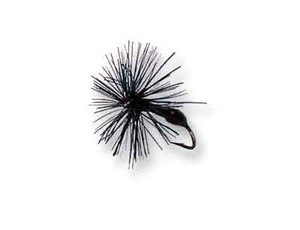

The Betts Ant Red Size 10 is a go-to dry fly pattern for anglers targeting trout and other panfish in streams and small waters where terrestrial insects are part of the menu. Red ant patterns work year-round but shine during summer and fall when real ants are active around the water's edge—and they're especially effective after a rain or when wind knocks them into the current. This fly ties on a Mustad hook, a trusted steel foundation that holds up to repeated casts and sharp hooksets.
Ant patterns are deceptively simple, which is precisely why they work. Fish see them regularly in nature, so a well-tied imitation needs no flashy materials or gimmicks—just accurate silhouette and proportion. The red coloration of this fly offers a visible profile in the water while matching naturals that appear throughout the season. Keep a few in your fly box for summer evenings on small creeks, spring-fed tributaries, or anywhere terrestrial insects are likely to fall into the drink.
Whether you're sight-fishing to sipping trout or working a dry-fly rig on a populated section of river, a size 10 ant offers the right balance of visibility and realism. It's a no-fuss pattern that has earned its place in fly boxes for decades.
Frequently Asked Questions
What water types is the Betts Ant Red Size 10 best suited for?
Ant patterns work well in streams, small rivers, and areas where terrestrial insects naturally occur. They're especially productive during warm months when ants are active near vegetation along the banks.
What species will take an ant pattern fly?
Trout and panfish readily feed on ants when they're available. The pattern's realistic profile makes it effective for multiple species that encounter terrestrial insects in their habitat.
When should I fish an ant pattern during the season?
Ant patterns are productive year-round, but they're most effective during summer and fall when natural ant activity is high. They also work well after rain or on breezy days when wind pushes insects into the water.


