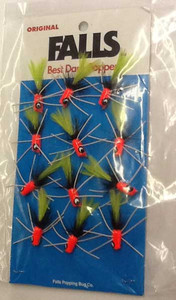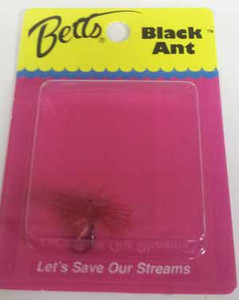

Betts Ant Black/Red Size 10
$1.81
$2.03
(You save
$0.22
)
The Betts Ant Black/Red Size 10 is a classic terrestrial fly that imitates one of the most reliable food sources trout encounter throughout the season. Ants fall into the water regularly in most environments, and selective trout learn to key on them—making this pattern a go-to choice for sight-fishing and blind casting alike. The black and red color combination mimics the natural appearance of ant species found across North America, and the size 10 profile works well for presentations on small to medium streams, spring creeks, and stillwater.
Built on a Mustad hook, this fly combines proven imitation with solid construction. Whether you're matching a terrestrial hatch or simply presenting a reliable searching pattern, the Betts Ant delivers the straightforward effectiveness that has made ant patterns essential to any fly box. It's equally at home in fast water or calm pools, and the natural silhouette triggers aggressive takes from opportunistic feeders.
Anglers fishing dry flies during low-water periods, bright daylight, or when aquatic insect activity is slow will find the Betts Ant a dependable standby. Carry a handful in your fly box year-round—you'll reach for this pattern more often than you'd expect.
Specifications
| Hook | Mustad |
| Size | 10 |
| Color | Black/Red |
| Type | Terrestrial Fly |
Frequently Asked Questions
What size water and species is the size 10 Betts Ant best for?
Size 10 ants work well for trout on small to medium streams and creeks. They're also effective in stillwater when terrestrial activity is high. The profile suits panfish and other stream feeders that opportunistically eat insects.
When should I fish an ant pattern?
Ant patterns produce best during low-water conditions, bright midday light when aquatic hatches are sparse, and late summer into fall when terrestrial insects are most active. They also work as reliable searching flies in any season when trout are feeding on surface food.
What makes the black and red color combination effective?
The black and red pattern imitates the natural coloring of common ant species found in most trout environments, making it a close match to the insects trout encounter regularly.