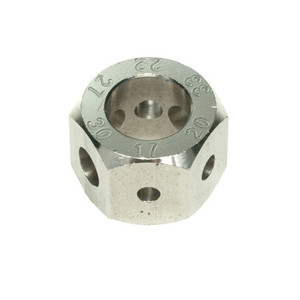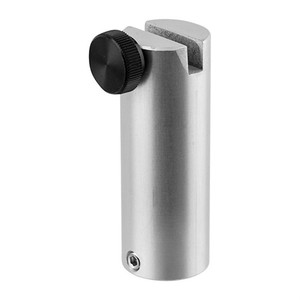

Sinclair International Comparator & Bump Gauge Body Kit, Standard
$15.99
$19.99
(You save
$4.00
)
The Sinclair International Comparator & Bump Gauge Body Kit is a precision measuring tool designed for reloaders who need to sort and evaluate bullets with accuracy. This comparator body attaches to your caliper blade and accepts Sinclair's stainless steel insert system, allowing you to measure the bullet's bearing surface and base-to-length dimensions without the wobble and inconsistency that plague standard drilled-hole comparators. Whether you're planning a meplat trim, building match-grade ammunition, or simply trying to get uniform bullets into a single lot, this kit gives you the foundation for repeatable measurements.
The key to the Sinclair design is the tapered insert system. Each caliber-specific insert (available from .17 through .45) is machined with a precision taper and short straight section that mimics a chamber throat, seating the bullet consistently and eliminating the play you'd get from a basic hole gauge. This matters: even small measurement errors compound across a large batch of bullets, and uniform bearing surface length directly affects pressure consistency and accuracy downrange.
The comparator body kit is engineered to be repeatable and straightforward to use. Because it mounts directly to your caliper, you get fast feedback on each bullet without fumbling between tools. The stainless steel inserts are built to last and are compatible with both Sinclair and older Stoney Point comparator bodies, so you can expand your insert collection as your reloading disciplines expand. Note that this tool is designed for sorting bullets at standard lengths; if you're measuring shortened or magazine-length rounds, you'll want a different comparator setup.
For handloaders serious about consistency—whether you're precision rifle shooters, long-range hunters, or ammunition developers—the Sinclair comparator body kit is a step up from guesswork. Add the caliber-specific inserts you need, mount it to your dial or digital caliper, and start building better ammo.
Key Features
- Precision tapered insert design mimics chamber throat geometry for accurate bearing surface measurement
- Eliminates wobble and inconsistency common to standard drilled-hole comparators
- Attaches to caliper blade for quick, repeatable bullet sorting and evaluation
- Stainless steel construction for durability and corrosion resistance
- Compatible with Sinclair and older Stoney Point comparator inserts (.17 through .45 caliber)
- Ideal for evaluating bullets before meplat work or batch sorting for uniform ammunition
Specifications
| Brand | Sinclair International |
| Type | Comparator & Bump Gauge Body Kit |
| Material | Stainless Steel |
| Design | Tapered insert with short straight section |
| Mounting | Attaches to caliper blade |
| Insert Compatibility | Sinclair and Stoney Point comparator inserts, .17–.45 caliber |
| Intended Use | Sorting and measuring bullets at standard seated lengths |
Frequently Asked Questions
What inserts do I need for my caliber?
The comparator body is compatible with Sinclair and Stoney Point inserts in calibers from .17 through .45. You'll need to purchase the specific insert(s) for each caliber you reload. The insert mimics the chamber throat, so accurate measurement depends on selecting the correct caliber insert for your bullets.
Can I use this comparator with a digital caliper?
Yes. The comparator body attaches to the blade of your caliper, whether dial or digital. Many reloaders find digital calipers convenient for logging measurements quickly, especially when sorting large quantities of bullets.
Is this tool suitable for measuring magazine-length or shortened rounds?
No. This comparator is designed for sorting and measuring bullets at standard lengths. If you need to measure rounds seated to magazine length or shorter, you'll need a different comparator system—Sinclair offers alternative options for that application.
Why does the tapered insert design matter compared to a standard drilled hole?
A tapered insert machined to mimic a chamber throat seats the bullet consistently without wobble, giving you repeatable, accurate measurements of the bearing surface. Standard drilled holes allow the bullet to shift slightly, introducing measurement error—a problem that compounds when you're sorting a large batch of ammunition components.
Related Products
-

-
-
Sinclair International Hex Style Bullet Comparator #2 17-338 Caliber
$19.99$22.99Sinclair International
-
Sinclair International Hex Style Bullet Comparator #1 22-30 Caliber
$19.99$22.99Sinclair International