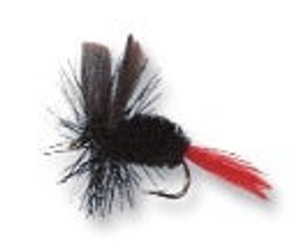
Betts Fat Gnat Yellow/Black Size 10
$2.85
$3.19
(You save
$0.34
)
The Betts Fat Gnat in yellow and black is a size 10 popper built to imitate the small baitfish and aquatic insects that hungry bass, bluegill, and panfish can't resist. This popper combines a cork body with a bullet-shaped design and rubber legs that create the erratic, lifelike action that triggers strikes in shallow water and around structure. Whether you're sight-casting to cruising fish in clear ponds or working the margins of weedy lakes, the Fat Gnat delivers the visual appeal and motion that gets results.
The cork body is cemented securely to a Mustad hook, giving you a durable platform that handles repeated casting and the head-shaking strikes of aggressive fish. The rubber legs add genuine wiggle to every twitch of your line, mimicking the distressed movement of struggling prey. Size 10 is versatile enough for morning and evening popper sessions when smaller profiles often outperform larger flies, yet substantial enough to be seen and heard by fish cruising just below the surface.
Poppers are pure fun on a fly rod—they're visual, they create commotion, and they trigger explosive takes. Keep a Fat Gnat in your box for warm-water flats, ponds, slow pools, and any situation where you want to fish on top and see the strike happen.
Key Features
- Cork body for buoyancy and classic popper action
- Bullet-shaped long-trim body for efficient casting and lifelike profile
- Rubber legs provide natural wiggle and movement in the water
- Cemented to Mustad hook for durability and reliability
- Yellow and black color pattern for visibility and attractiveness
- Size 10 ideal for smaller fish and selective conditions
Specifications
| Brand | Betts Tackle |
| Product Type | Popper |
| Size | 10 |
| Color | Yellow/Black |
| Body Material | Cork |
| Hook Brand | Mustad |
Frequently Asked Questions
What fish can I catch with the Betts Fat Gnat popper?
Poppers like the Fat Gnat work well for bass, bluegill, panfish, and other warm-water species that feed on the surface. Size 10 is particularly effective for bluegill, smaller bass, and panfish in ponds and slow-moving water.
When is the best time to fish a popper?
Poppers produce best during low-light periods—early morning and evening—and on overcast days when fish are more confident feeding near the surface. They also work during the day around heavy cover and structure.
Will the cork body hold up with repeated use?
The cork body is cemented to the Mustad hook for durability. Like all cork poppers, it will eventually show signs of wear with heavy use, but proper care and storage extend its life.