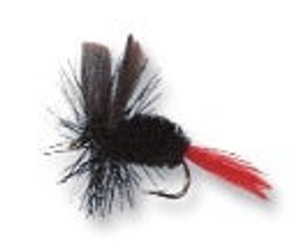
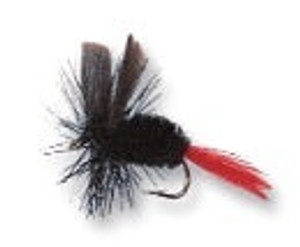
Betts Dry Fly 2ct Size 10 McGinty
$2.05
$2.30
(You save
$0.25
)
McGinty dry flies are a time-tested pattern that covers a lot of water—they work when you need a searching fly that fish will actually eat. These Betts Dry Fly McGintys in Size 10 come as a 2-count pack, giving you a couple of the same pattern in your box without the bulk order. Built on a Mustad hook and tied to hold up through multiple fish and casts, they're the kind of workhorse fly that makes sense for stream fishing or stillwater where you need reliable, consistent patterns without overthinking it.
Size 10 puts these McGintys in that middle-ground utility range—small enough to match a lot of naturals without being so tiny that they're impossible to tie on at dusk, large enough to handle decent fish. Whether you're fishing pocket water, riffles, or cruising flats, having a couple of McGintys in your fly box means you've got a proven pattern ready to go. Betts ties them clean and tight; you're getting solid quality at a straightforward value, not overpaying for marketing or packaging.
These are dry flies, so they're meant to float and imitate insects on or in the film. Reload your box with a couple extras or try the pattern if McGintys have never been part of your rotation—they're popular for a reason, and at this price and quantity, there's no real downside to giving them a shot on your next outing.
Specifications
| Product | Betts Dry Fly McGinty, Size 10 |
| Quantity | 2 flies |
| Hook | Mustad |
| Type | Dry Fly |
| Pattern | McGinty |
Frequently Asked Questions
What size fish can I target with Size 10 McGintys?
Size 10 is a versatile platform that works for trout of all sizes as well as smallmouth bass and panfish. You'll want to match actual water conditions and hatch timing to get the most out of them, but the size itself is productive across a wide range of fisheries.
Are these flies ready to fish out of the box?
Yes. Betts ties these flies finished and ready to use. Tie them on and fish them—no additional prep required.
Can I use McGinty dry flies on lakes?
McGintys work well on both streams and stillwater. Use them wherever a generic attractor or searching pattern makes sense; they're not tied to imitate a specific insect, which gives them flexibility across different water types.