Mastering the Turkey Call: A Guide to Box, Mouth and Friction calls
Get To The Points
When it comes to turkey hunting, having the right gear can make all the difference. One essential piece of equipment that every turkey hunter should have in their arsenal is a reliable turkey call. Turkey calls come in various types, each serving a specific purpose in attracting the birds. Below we will explore four types of turkey calls: box calls, mouth calls and friction calls.
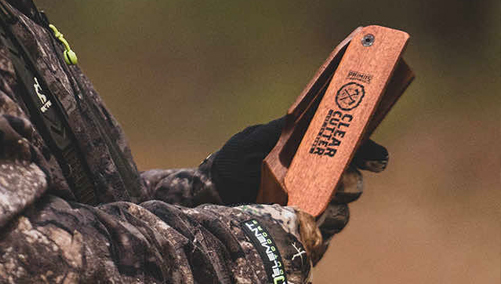
Box Calls: A Classic Choice for Beginners and Experts
Box calls are a classic and popular choice for turkey hunters. By sliding the lid across the box’s surface, you can create realistic turkey sounds. Box calls are known for their versatility, as they can produce a wide range of calls, from soft purrs to loud yelps. They are also the best choice for beginners as they are relatively easy to master.
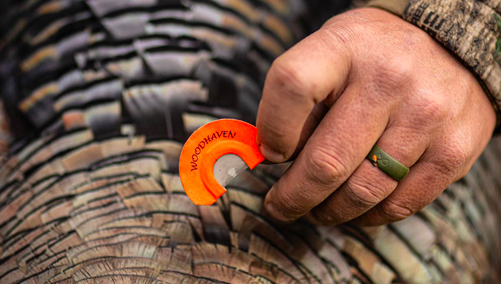
Mouth Calls: Hands-Free Operation for Stealthy Hunting
Mouth calls, also known as diaphragm calls, are another common type of turkey call. By manipulating the airflow and tongue position, hunters can produce a variety of turkey sounds. Mouth calls are popular among experienced hunters for their hands-free operation, allowing for better concealment and maneuverability in the field.
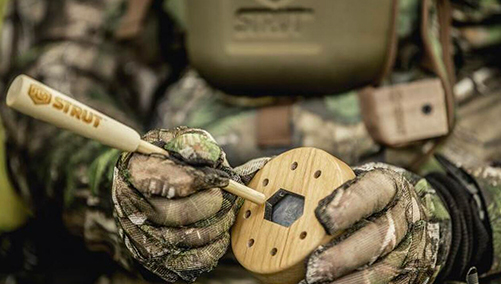
Friction Calls: Versatile and Realistic Turkey Sounds
Friction calls, or pot calls, consist of a pot or box made of wood or other materials and a striker. By rubbing the striker against the pot’s surface, hunters can create realistic turkey sounds. Friction calls are versatile and can produce a wide range of calls. They require a bit more skill to master than box calls, but are highly effective in the field.
Increase Your Hunting Success with the Right Turkey Calls
Having a variety of turkey calls can greatly increase your chances of success in the field. Each type of call has its own unique advantages and can be effective in different hunting situations. Experiment with different calls to find the ones that work best for you, and remember to practice regularly to hone your calling skills. Happy hunting!